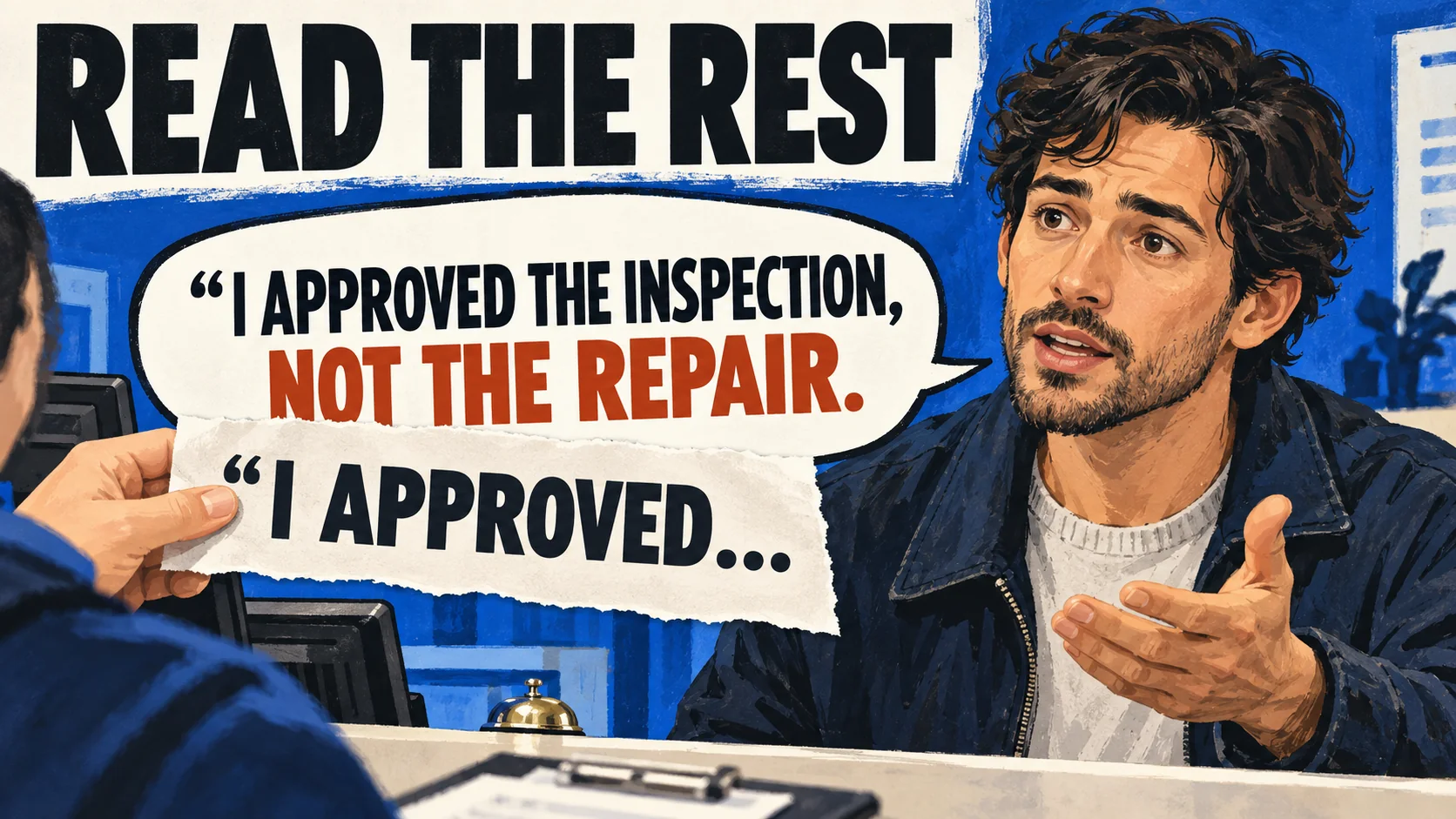
“You said…” can be a difficult way to begin a conversation. Before you’ve had a chance to explain, someone has already decided which of your words matter.
A saved quote can make that feeling stronger. It looks like the discussion is settled. There are the words, right there on the screen.
That’s why a small mismatch in my manager dashboard mattered to me. The system pointed to a passage in a conversation, then displayed a quote that didn’t quite match it. In one logged failure, it added a word beyond the selected passage. In another, it returned less than it had selected.
The quote looked ready to use. It wasn’t ready to be trusted.
The part I stopped asking it to write
I had asked the software to do two jobs: choose a useful passage, then write out the words from that passage. The second job created another chance to get them wrong.
I changed that arrangement. The part that chooses a passage now returns its location in the conversation. The application checks that location and copies the text directly from it.
If the passage doesn’t exist, or the selection runs beyond the material it was given, the result is rejected. If a phrase appears twice, it copies the occurrence that was actually selected. The wording, punctuation and spacing come from the record.
The check is simple: compare the displayed quote with the passage it came from. A reader doesn’t have to decide based on how convincing the wording sounds.
A perfect quote can still be unfair
There’s a limit to what that check can do. Consider this made-up sentence:
“I approved the inspection, not the repair.”
Someone could copy “I approved the inspection” exactly and still use it to suggest the customer approved the repair. No words would need to be invented. The unfairness would be in what the reader was being asked to conclude.
Copying the text correctly also won’t repair an error in the written record of the conversation. Those are separate things to check.
So I keep the summary apart from the quote. One is an interpretation. The other is the passage being used to support it. A person reading them should be able to decide that they don’t agree.
Let me read the rest
In the original dashboard trial, a manager could open the saved conversation behind a finding. In the portfolio version, I added a way to go straight to the quoted words and read the turns around them.
I haven’t measured whether that leads to better management decisions. I can say what the reader is able to check: who said it, what they were responding to, and what was said next.
That matters most when the finding could lead to feedback about someone’s work. A tidy summary is a convenient place to stop reading, especially when there are other things waiting to be done.
I want the next part of the conversation within reach before the manager starts their own. If I were the person being discussed, I’d want them to have read it.